





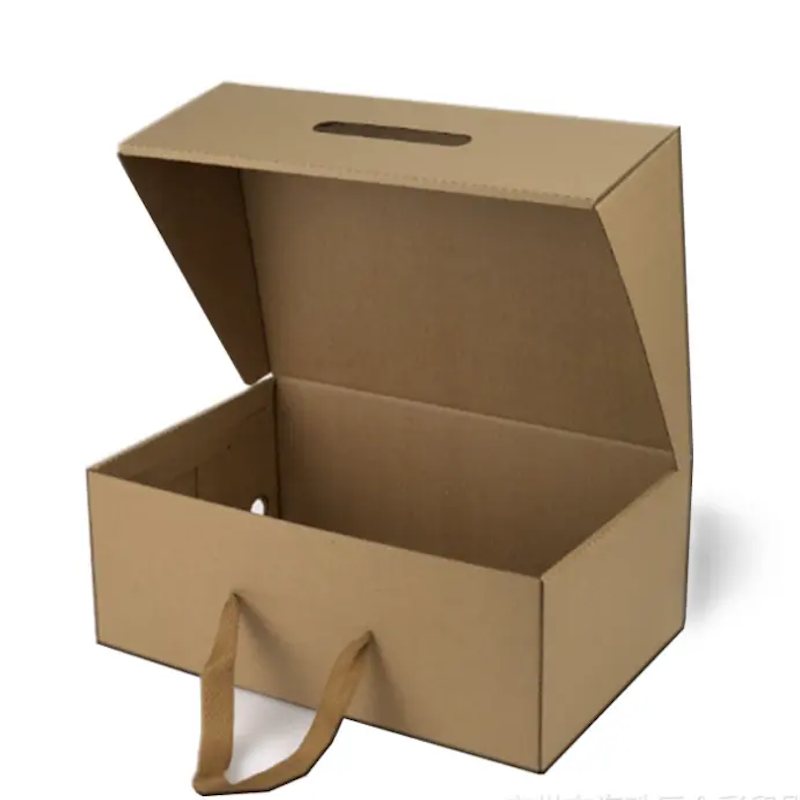
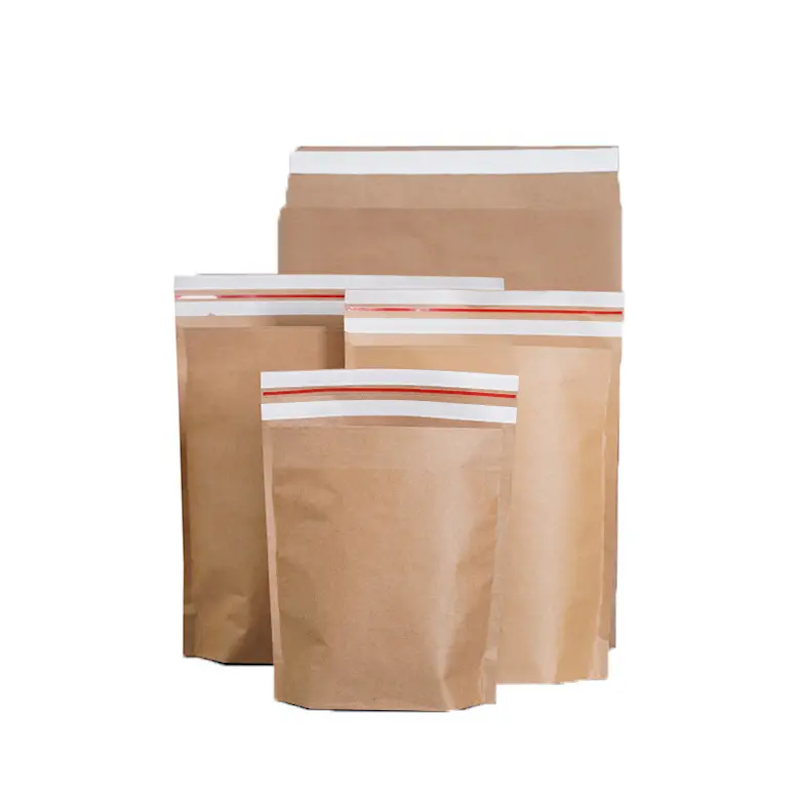

The global apparel sector, historically reliant on plastic polybags for garment packaging, is undergoing a profound material transition. Major brands are replacing polyethylene carriers with fiber-based alternatives, driven by legislative bans, consumer environmental awareness, and circular economy targets. This shift is not merely cosmetic—it represents a fundamental re-engineering of the retail packaging ecosystem, where paper bags have emerged as the preferred carrier for high-end and fast-fashion alike.
1. Regulatory Pressure and Single-Use Plastic Bans
Over 120 countries have implemented restrictions on thin plastic bags, with the European Union’s Single-Use Plastics Directive directly impacting apparel retailers. Unlike plastics that persist for centuries, paper shopping bags biodegrade within 2–6 months under composting conditions. For fashion houses operating in multiple jurisdictions, adopting paper bags ensures compliance without regional product variations. Moreover, extended producer responsibility (EPR) schemes impose lower fees on paper substrates, making the economic calculus increasingly favorable. Major department stores now report that 78% of their checkout bag volume has converted to paper since 2023.
2. Brand Image and Premium Consumer Perception
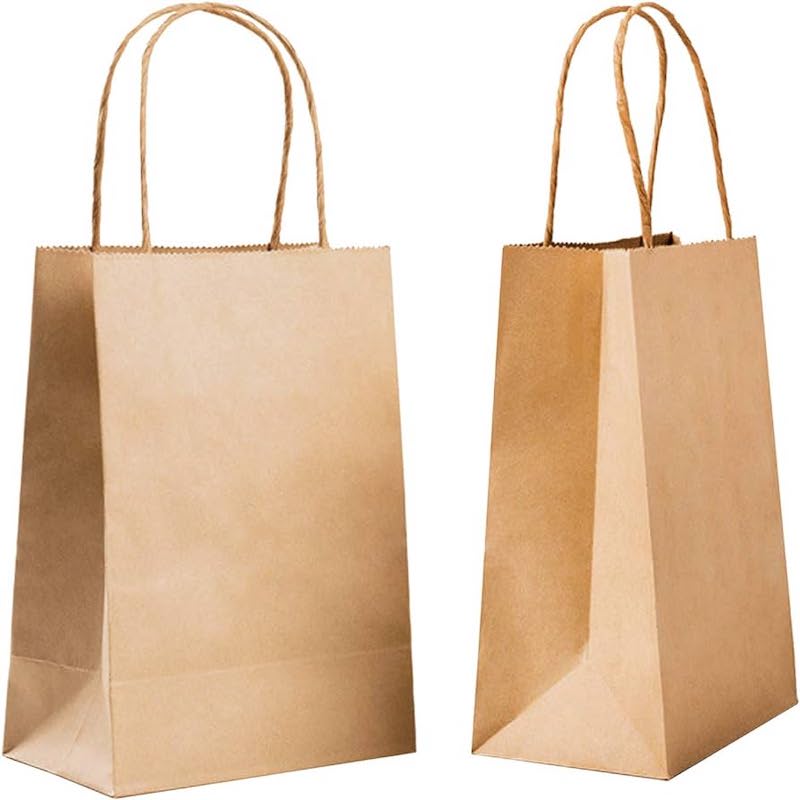
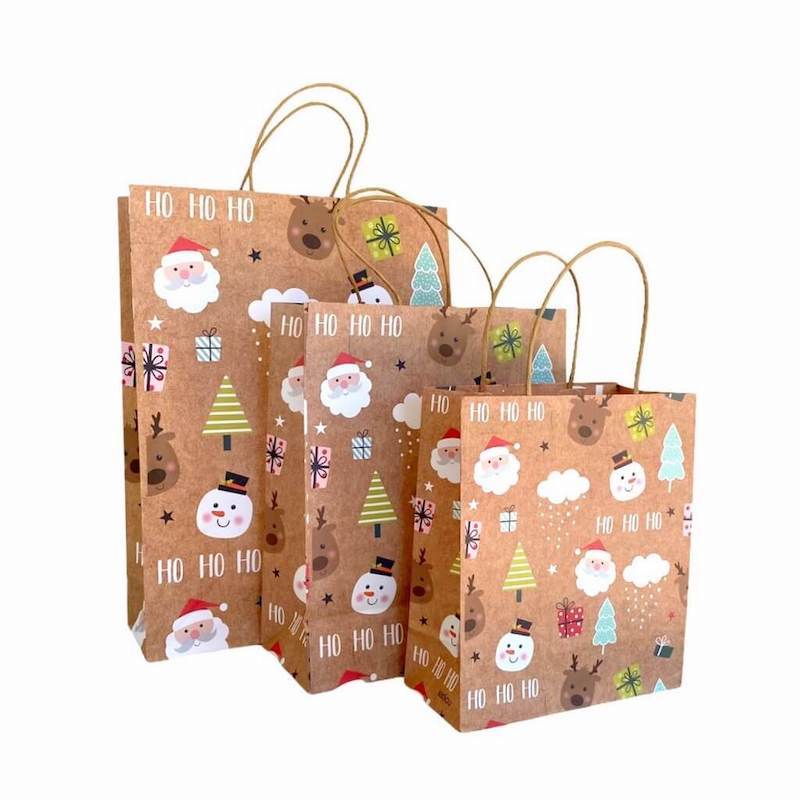
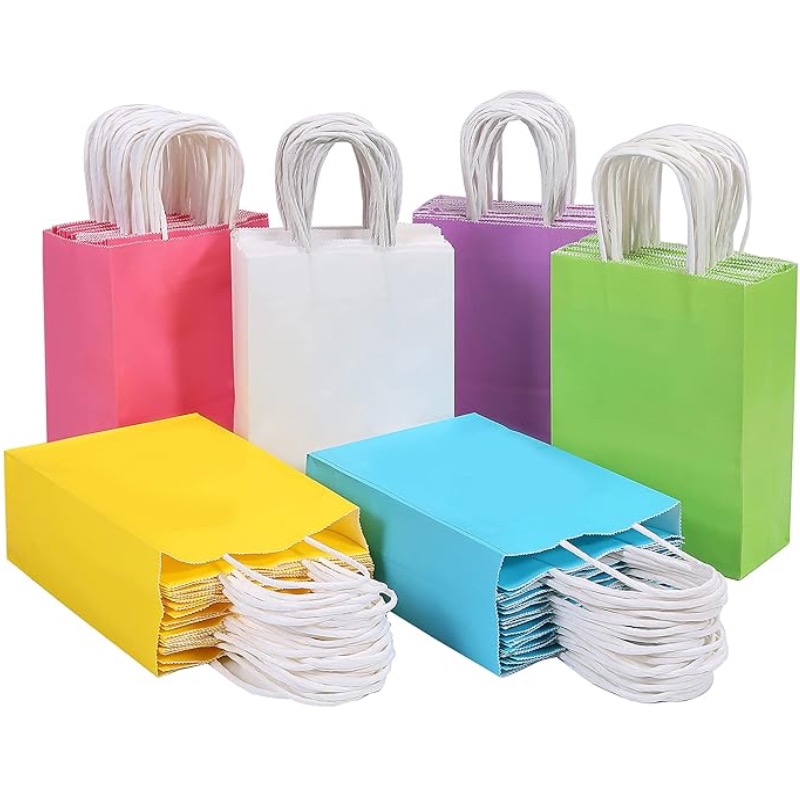
Luxury and mid-market apparel brands recognize that packaging communicates brand values before the garment is even revealed. A textured kraft gift bags carrier conveys craftsmanship, sustainability, and authenticity—attributes that resonate with Gen Z and Millennial shoppers. Consumer surveys indicate that 64% of respondents associate paper shopping bags with higher product quality compared to plastic alternatives. For seasonal collections, printed gift bags featuring exclusive patterns become part of the unboxing experience, encouraging social media sharing and organic brand amplification. This emotional connection transforms a functional item into a marketing asset.
3. Structural Durability for Heavy Garments
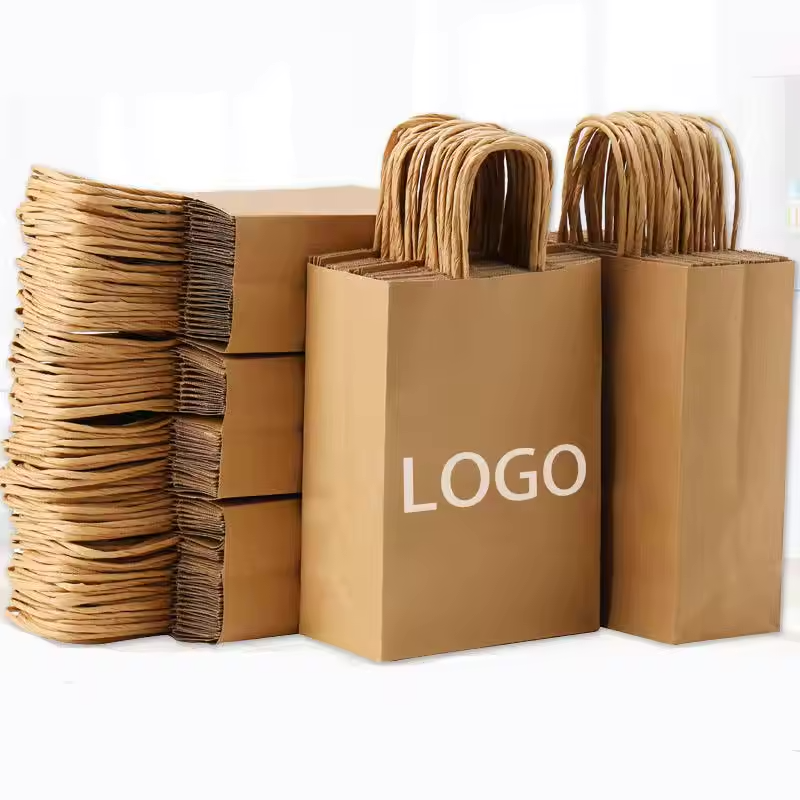
Modern paper engineering has eliminated the historical weakness of paper carriers. Today’s brown paper bags are manufactured from high-burst-strength kraft pulp with reinforced handles and gusseted bottoms, supporting loads up to 8–10kg—sufficient for multiple denim items or winter coats. Advanced wet-strength additives ensure that paper bags resist tearing during humid transit, while cross-laminated base layers prevent blowouts. Comparative drop tests show that premium kraft gift bags outperform 50-micron plastic bags in vertical load retention, directly contradicting the myth that paper is structurally inferior for apparel.
4. Printing Capabilities and Customization Demands
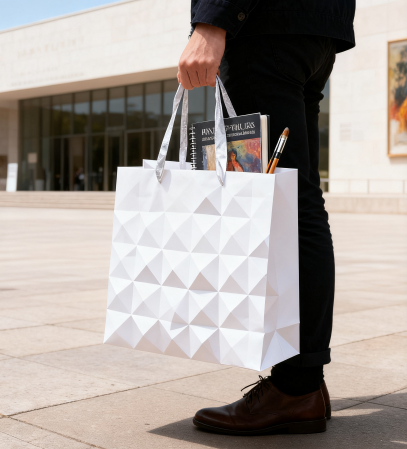
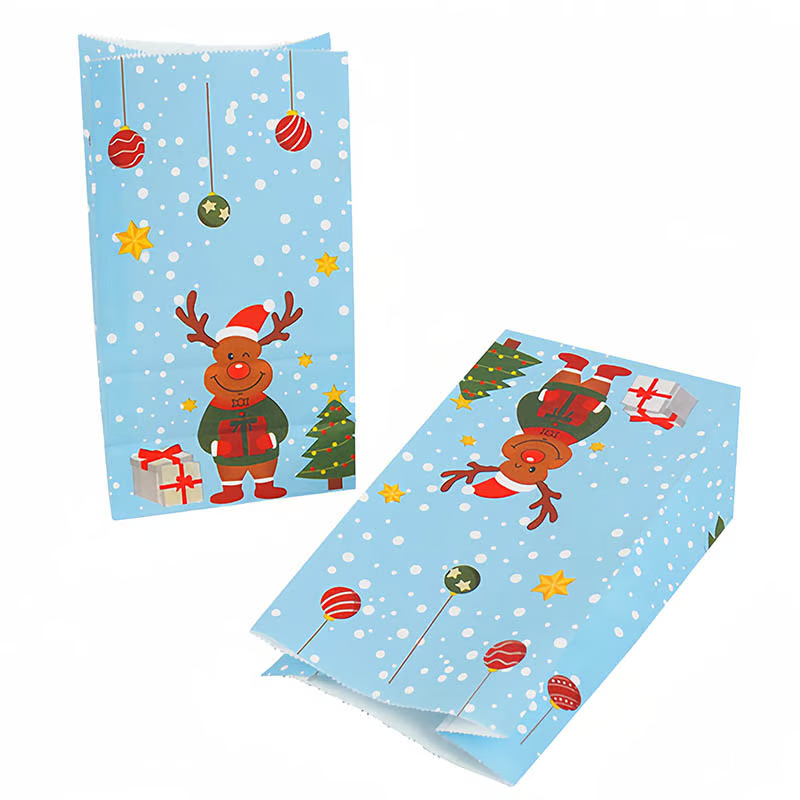
Apparel brands require high-resolution printing for logos, care instructions, and promotional messaging. The coated surface of printed gift bags accepts offset, flexographic, and digital printing with exceptional color fidelity, achieving 175 LPI screen resolutions that match catalog-quality reproduction. This printability enables seasonal theme variations—spring floral, autumn earthy tones, holiday metallic finishes—without changing the bag substrate. Furthermore, paper shopping bags accommodate diverse finishing techniques such as foil stamping, embossing, and spot UV coating, allowing brands to differentiate in crowded retail environments.
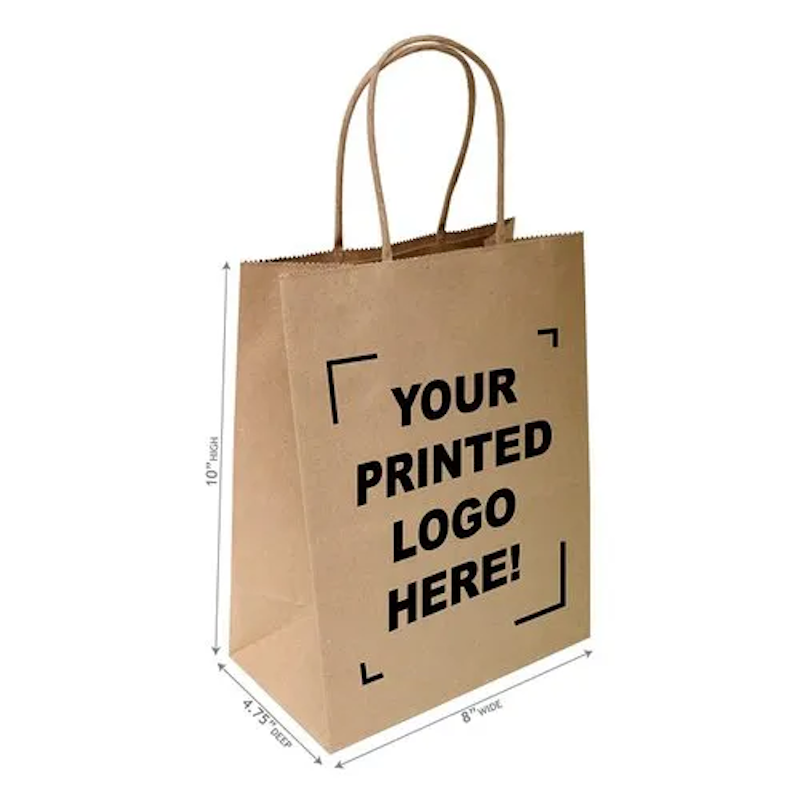
brown paper bags
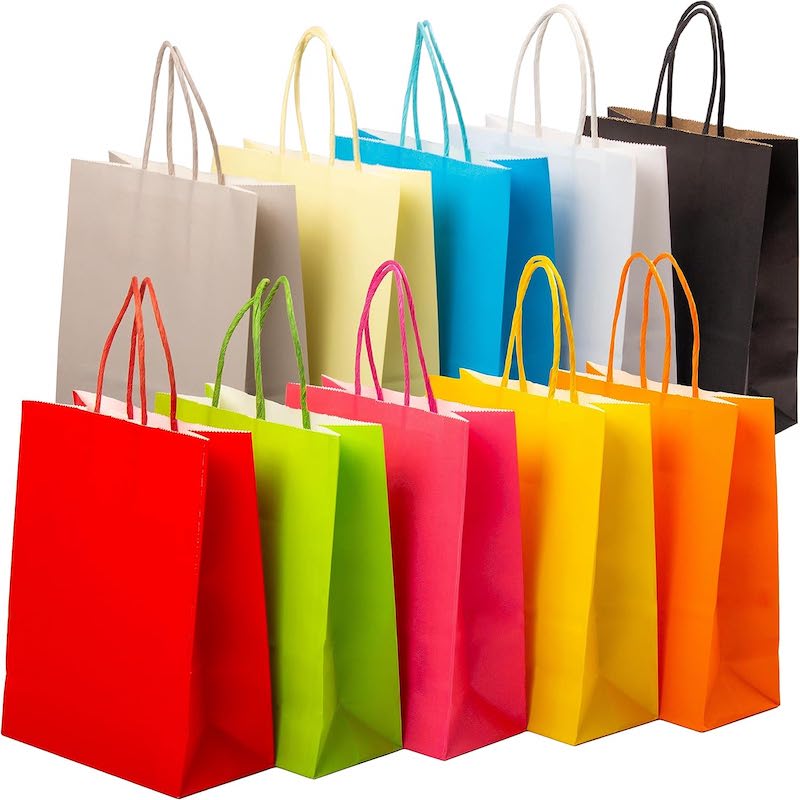
paper shopping bags
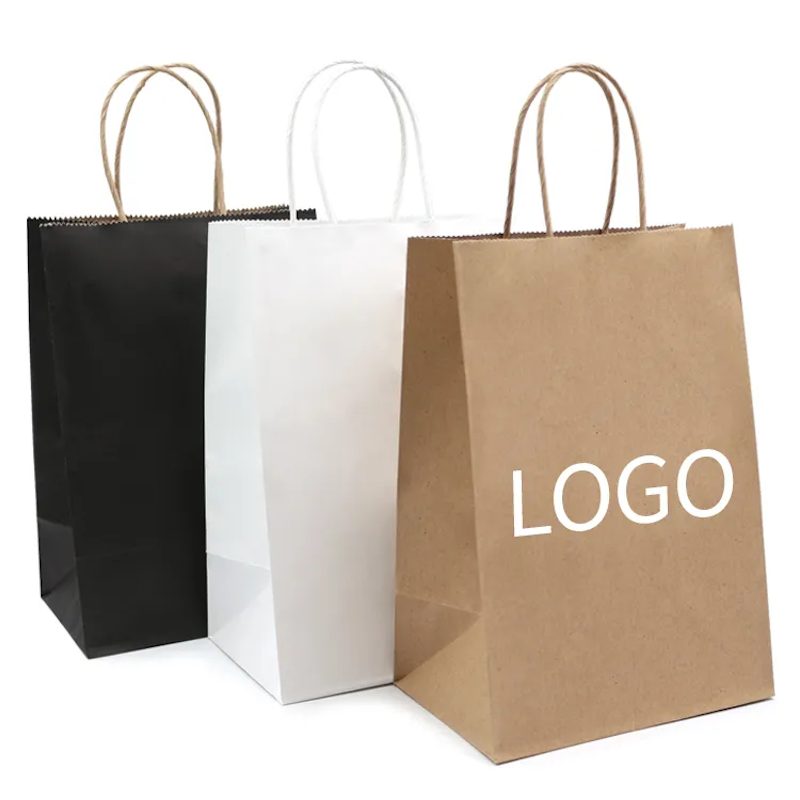
printed gift bags
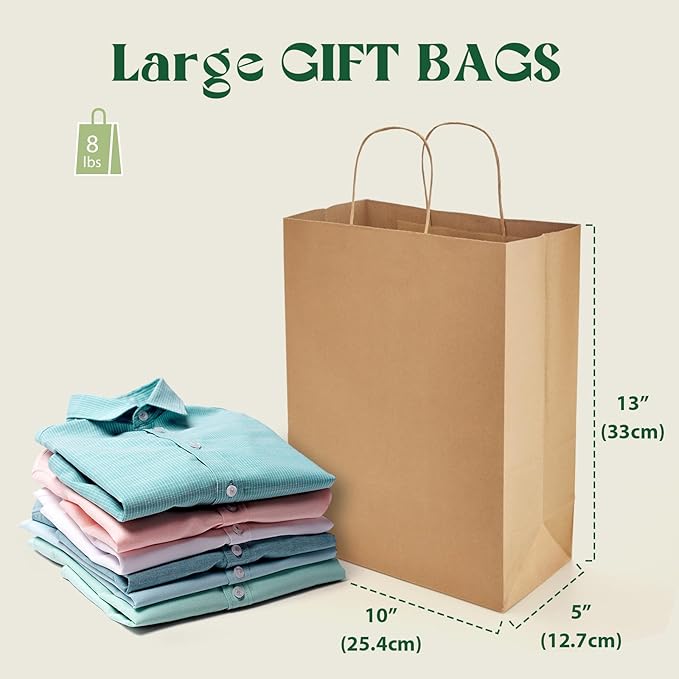
kraft gift bags
5. Alignment with Circular Economy and Recyclability
The apparel industry faces increasing scrutiny over its entire lifecycle footprint. Paper bags integrate seamlessly into existing paper recycling streams, with an average recycled content of 70–100% in many markets. Unlike multi-material plastic bags that require specialized sorting, brown paper bags are accepted by 94% of municipal curbside programs. Leading retailers now include QR codes on paper shopping bags that direct consumers to recycling guides, actively closing the loop. This circularity resonates with eco-conscious shoppers, who are 2.5 times more likely to repurchase from brands demonstrating tangible waste reduction.
6. Cost Parity and Supply Chain Maturity
Economies of scale have narrowed the price gap between paper and plastic. High-volume production of kraft gift bags now achieves cost per unit within 8–12% of comparable plastic carriers, a differential easily offset by marketing value and regulatory avoidance. Moreover, paper shopping bags ship flat, maximizing container utilization—a 40-foot HC container holds approximately 25,000 flat-packed printed gift bags versus only 15,000 inflated plastic sacks. This logistics efficiency reduces freight costs and carbon footprint per unit, appealing to procurement departments focused on total cost of ownership.
7. Consumer Behavior and Reuse Culture
Unlike single-use plastics, paper shopping bags enjoy a secondary life as gift wrapping, storage holders, or even craft materials. Data indicates that 57% of consumers reuse brown paper bags at least once, extending their functional lifespan and delaying disposal. For apparel retailers, this reuse translates to extended brand visibility in households, vehicles, and offices—passive advertising that reinforces brand recall. Some fashion labels now design printed gift bags with aesthetic handles and decorative liners specifically to encourage repurposing, effectively turning packaging into a collectible accessory.
8. The Role of Expert Manufacturing Partnerships
Transitioning to paper carriers requires technical expertise in material selection, structural design, and print execution. From reinforced handle attachment to precise crease forming, each parameter affects bag performance and brand presentation. A reliable partner ensures consistent quality across millions of units, maintaining tight tolerances on bottom-patch adhesion and side-seam strength. This is where experienced manufacturers add tangible value, bridging the gap between creative concepts and production reality.
XIAMEN XIN LI HONG PAPER CO.,LTD As an experienced manufacturer, we are able to provide customers with a one-stop solution from design to production. We provide professional printing and packaging OEM services, aiming to meet customers' personalized needs for brands and products. From product customization with brand logo placement to specification customization for size, shape and material, we ensure every detail aligns with client requirements. Our high-quality production incorporates selected eco-friendly materials and strict quality inspection at each stage, guaranteeing that every product meets international standards. With efficient production capabilities and global delivery through reliable logistics partners, we ensure timely execution of bulk orders. Our ODM service further supports innovative design and full product development, from prototypes to mass production, all backed by ISO 9001-certified quality assurance and rigorous functional testing. This comprehensive capability makes us a trusted ally for apparel brands transitioning to sustainable paper packaging solutions.
